Jeju · Aug 6, 2026
Renting a car in Jeju during typhoon season? Learn when typhoons hit, how to read weather warnings, drive safely, and keep bookings flexible.


Jeju is one of Korea's most popular self-drive destinations, but it also sits in the path of summer and early autumn typhoons. If you are planning a Jeju car rental during typhoon season, a little preparation keeps your trip safe and your booking flexible.
This guide explains when typhoons usually affect Korea, how to read official weather warnings, and what to do before and during a storm. It uses public Korea Meteorological Administration (KMA) and Korea Tourism Organization (KTO) resources.
KMA records show that most typhoons affecting Korea occur between July and September, with some activity possible from June into October. Jeju, as Korea's southernmost region, is often one of the first areas to feel a storm's wind and rain.
A typhoon does not need to make direct landfall to disrupt a trip. Even a storm passing nearby can bring strong winds, heavy rain, and rough seas that cancel flights and ferries and make island driving risky.
KMA issues two alert levels: an advisory for developing risk and a warning for severe conditions. Knowing the difference helps you decide whether to adjust your route or stay off the road entirely.
| Alert | Example KMA threshold | What to do |
|---|---|---|
| Strong wind advisory | Sustained wind 14 m/s or gusts 20 m/s | Recheck plans, avoid bridges and exposed coastal roads |
| Heavy rain advisory | 60 mm in 3 hours or 110 mm in 12 hours | Slow down, keep distance, avoid flooded sections |
| Typhoon warning | Warning-level wind or waves, or 200 mm total rain | Do not drive, stay indoors, wait for the all clear |
Check the live forecast on the KMA site or app before each drive. Conditions on Jeju can change quickly between the coast, the city, and the slopes of Hallasan.
If a warning is issued, the safest choice is usually to stop driving and stay indoors. Coastal roads, bridges, and mountain routes are the most exposed to wind and flooding.
For emergencies in Korea, KTO lists 112 for police and 119 for fire or medical help. For multilingual travel help, the 1330 Korea Travel Helpline operates 24 hours a day. Save your rental partner's number too, and see our emergency contact guide for who to call first.
If your car is parked, choose a spot away from the coast, trees, and low-lying areas that can flood. Do not try to drive through standing water.
Typhoons often cancel flights and ferries, so a flexible booking matters. Before you reserve, check how changes and cancellations work and how refunds are timed.
Our Jeju car rental cancellation policy guide walks through refund timing and what to do if a flight delay or storm changes your plans.
KMA data shows most typhoons affecting Korea occur from July to September, with possible activity from June into October. Jeju often feels storms first as Korea's southernmost region.
During a typhoon warning the safest choice is to stop driving and stay indoors. Strong wind, heavy rain, and flooding make coastal and mountain roads risky.
KMA issues an advisory for developing risk and a warning for severe conditions. A typhoon warning can be triggered by warning-level wind or waves, or by total rainfall of 200 mm or more.
Call 112 for police and 119 for fire or medical emergencies. For multilingual travel support, use the 1330 Korea Travel Helpline, available 24 hours a day.
It depends on your rental and booking terms. Check the cancellation and refund policy before you reserve, and keep your booking flexible during typhoon season.
Official sources used: KMA typhoon information, KMA weather advisories and warnings, 1330 Korea Travel Helpline, KTO emergency calls.
If you want a Jeju rental with clear pricing and flexible booking before typhoon season, compare foreigner-ready options with Orcar. Orcar
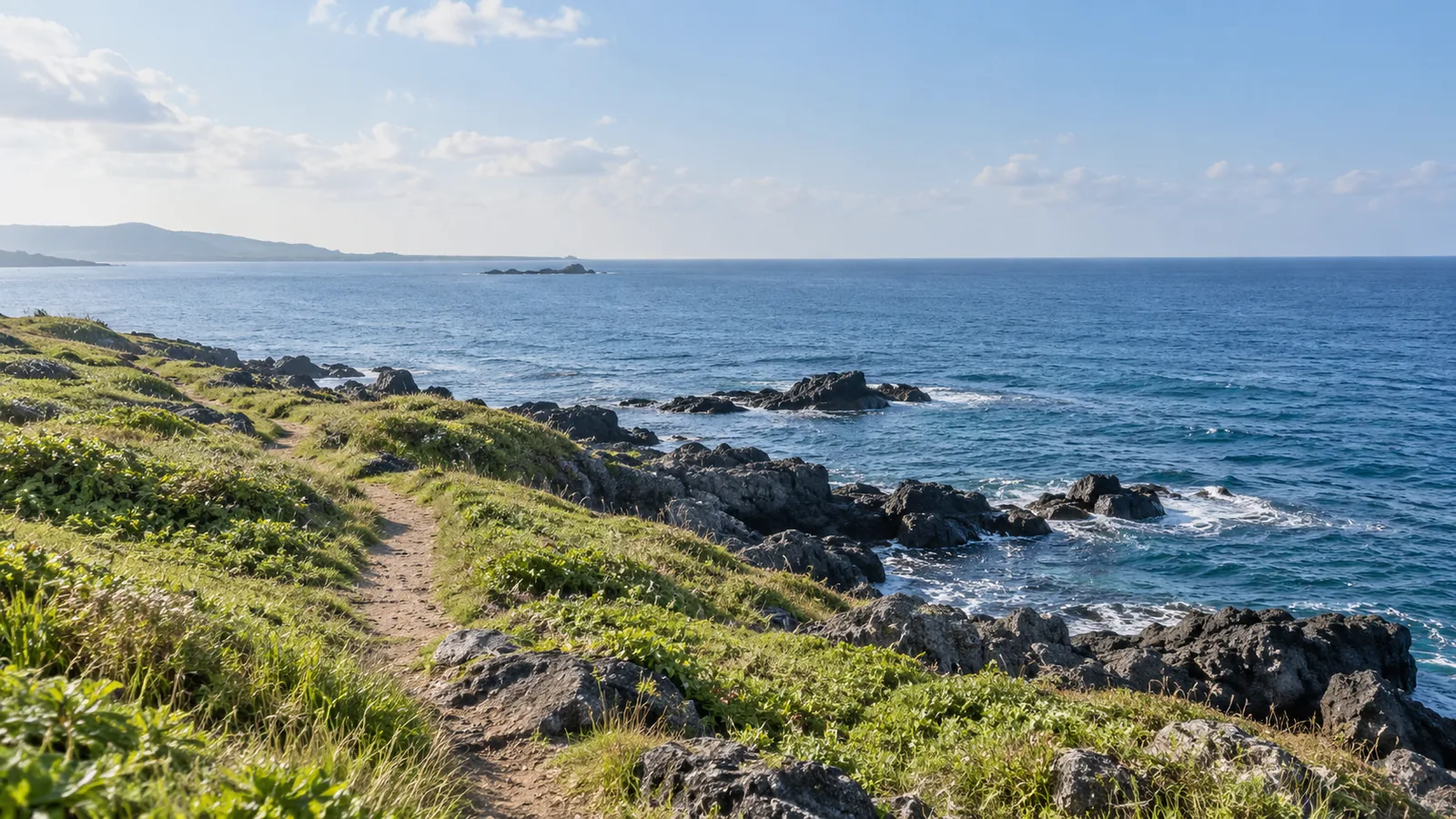
This article includes images created with AI for illustration.
Find a car for your trip
Explore CarsJeju · Aug 6, 2026
Jeju · Aug 4, 2026

Jeju · Jul 30, 2026