
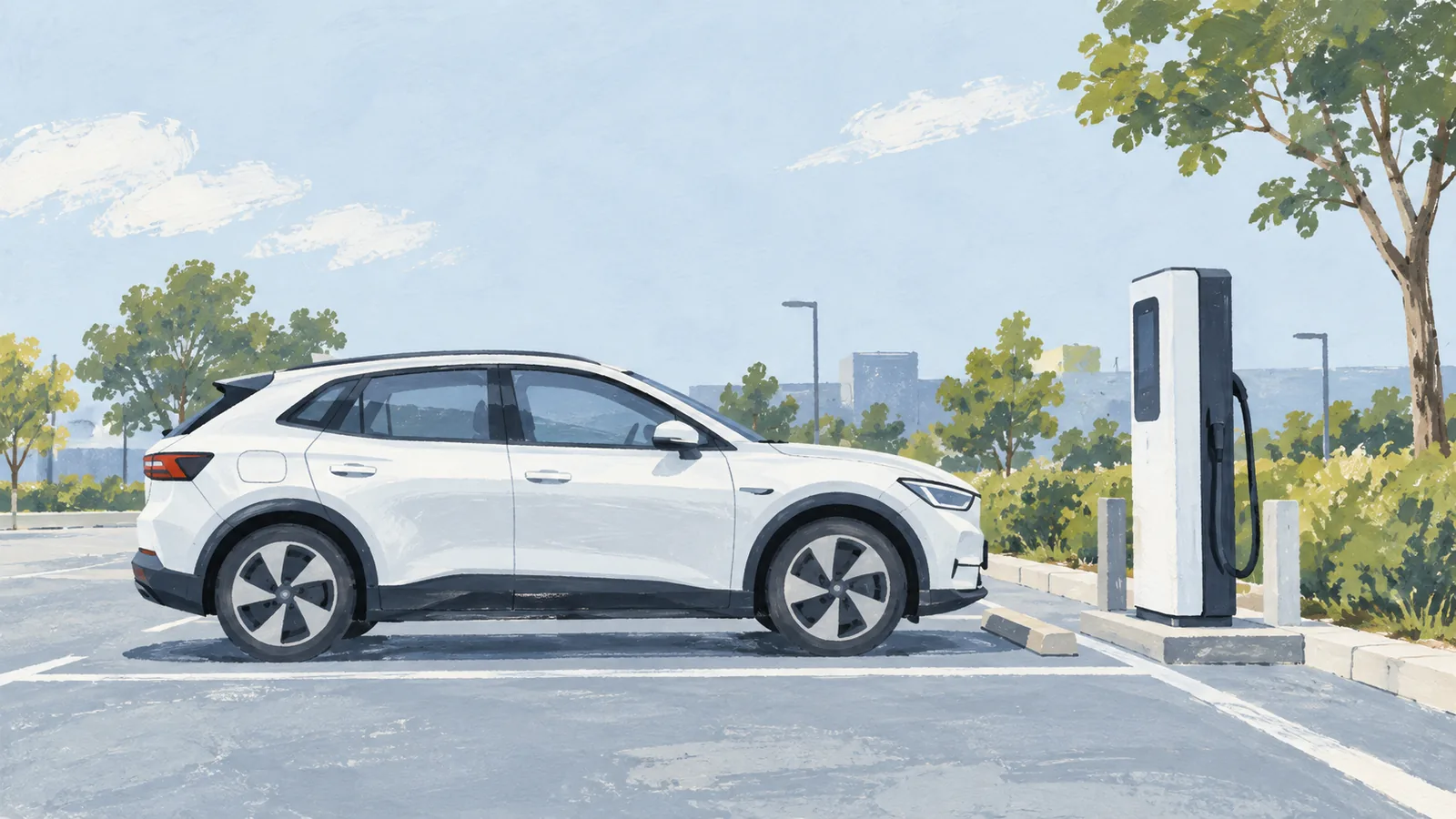
Jeju EV Rental Charging Guide
Electric rental cars are common in Jeju, but the real question for travelers is not only whether an EV is available. It is whether charging will fit your route, hotel, payment method, and return schedule.
This guide is for visitors comparing a gasoline car with an EV rental in Jeju. It explains what to check before booking, how to plan charging around the island, and what to confirm at pickup so charging does not become a last-day problem.
Why an EV rental can work well in Jeju
Jeju is one of Korea's most EV-friendly travel destinations. Visit Jeju notes that the island has advanced electric car infrastructure and that a significant number of rental cars are electric vehicles. Another Visit Jeju rental guide recommends considering an electric car and says built-in GPS can help locate charging stations, with many hotels offering their own charging spaces.
The advantage is clear: an EV can be quiet, clean, and comfortable for coastal roads, cafe stops, and hotel-based itineraries. The tradeoff is that charging takes planning. A five-minute fuel stop is not the same as finding a charger, checking the connector, starting payment, and waiting long enough for your next route.
Check charging before you book
Before choosing the cheapest EV rate, check three things: your daily distance, overnight parking, and the rental company's charging rule. If your plan is a relaxed Jeju city and west coast trip, charging may be easy. If you are planning early sunrise, Udo ferry timing, Seogwipo, and a late airport return in one day, you need more buffer.
Ask the rental company these questions before booking:
- What battery level is provided at pickup?
- What battery level is expected at return?
- Is there an extra fee if the battery is returned lower than the required level?
- Which charging connector does the car use?
- Does the car include a charging card, app instruction, or payment guide?
- Who should you contact if a charger will not start?
Fast, slow, and overnight charging
Korea's official EV portal classifies chargers by speed. Fast chargers are described as taking about 30 minutes to charge from empty to 80%, while slow chargers can take 4 to 11 hours from empty to full. In real travel, you usually do not charge from empty, but the difference matters.
Use fast charging for route recovery: a lunch stop, a tourist-site break, or a charging stop before a long drive. Use slow charging for overnight recovery: a hotel, pension, or long parking period. If your hotel says it has EV charging, still ask whether chargers are guest-only, paid, available overnight, and compatible with rental cars.
Payment and connector checklist
Do not assume every charger will accept the same card, app, or membership. Korea's official EV portal includes services for nearby charger search, member card management, payment card registration, and charging fee lookup across many operators. For a short-term visitor, the practical move is to confirm the rental company's recommended payment method before you leave the lot.
At pickup, check the charging port and connector type. The official EV charging information page lists multiple connector categories, including DC Combo and AC slow charging types. If the car has built-in navigation, save one charger near your hotel and one charger near the return branch before the first drive.
Return-day charging plan
The last day is where EV stress usually appears. You may be checking out, buying gifts, refueling your travel energy, and catching a flight. Do not leave the battery check until you are already near the airport.
A safer return plan is simple:
- Confirm the required return battery level at pickup.
- Charge the night before if your hotel allows it.
- Keep a charger option near your final meal or cafe stop.
- Arrive at the rental branch with time for inspection and shuttle transfer.
- Photograph the dashboard battery level when you return the car.
If you prefer to avoid this step entirely, a gasoline or hybrid car may fit your trip better. The best rental choice is the one that removes friction from your itinerary.
FAQ
Is Jeju a good place to rent an electric car?
Yes, Jeju can be a good EV rental destination because official tourism sources describe the island as having strong electric car infrastructure. Still, travelers should plan charging around hotels, routes, and return rules before booking.
Do I need a Korean charging membership to charge an EV rental?
Not always, but payment methods vary by charger and operator. Ask your rental company whether it provides a charging card, app instructions, or a recommended payment method for visitors.
Should I choose fast charging or hotel charging?
Use both if possible. Fast charging helps during the day when you need extra range, while hotel or overnight charging is better for starting the next morning without a detour.
What should I confirm before returning an EV rental car?
Confirm the required return battery level, the nearest reliable charger, the return branch location, and whether a low battery fee applies. Photograph the dashboard at return.
Official sources checked:
- Visit Jeju rental car guide: rental preparation, EV option, GPS, and hotel charging notes.
- Visit Jeju driving in Jeju: Jeju EV infrastructure, pickup flow, contract, and vehicle photo advice.
- Korea EV portal: official nearby charger search, member card, payment card, and fee lookup services.
- Korea EV charging information: fast and slow charger definitions, charging time ranges, and connector types.
- Korea EV charging fees: official fee lookup by operator and charger category.
Related Orcar guides: Jeju airport pickup, Jeju parking guide, Jeju navigation app guide, book with Orcar.