
Aug 18, 2026
Use a Daejeon car rental for practical day trips to Sejong, Gongju, and Gyeryongsan, with route, parking, and timing tips.

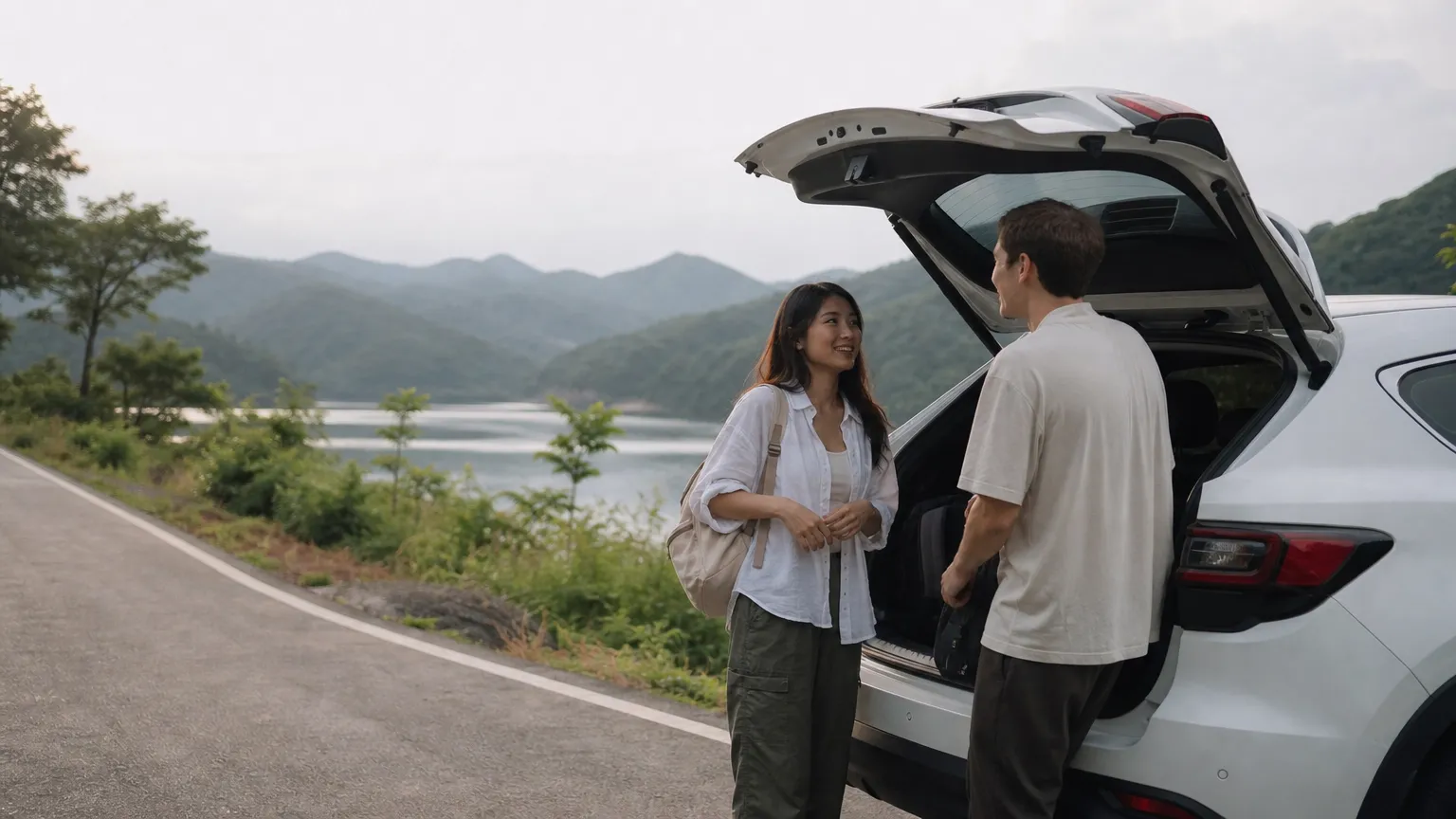
Orcar does not currently offer rental service in Daejeon. This article is general travel information.
Daejeon has strong rail and city transit, so a rental car is most useful when your plan extends beyond the urban core. With one base, you can build a focused day trip to Sejong, Gongju, or Gyeryongsan instead of combining several local buses and transfers.
Keep public transport for a city-only day around Daejeon Station, Yuseong, or the science district. Consider a car when you are traveling with family luggage, starting early for a hike, visiting two places outside Daejeon, or returning after local bus frequency drops. Daejeon's official tourism site introduces Expo Science Park, a theme park built to commemorate the 1993 Daejeon Expo, and lists its address and contact number [1].
| Day-trip direction | Best for | Estimated drive from central Daejeon |
|---|---|---|
| Sejong | Lake, arboretum, modern city | 30 to 45 minutes |
| Gongju | Baekje history and riverside walks | 45 to 60 minutes |
| Gyeryongsan | Hiking, forest, temple valleys | 30 to 50 minutes |
Drive times are estimates for normal conditions. Check live navigation, weather, parking notices, and your return time before departure.
Choose Sejong when you want a low-stress drive with flexible walking stops. The city's official urban course connects Milmaru Observatory, Sejong Lake Park, Sejong Barrage, riverside sites, and the Space Geodetic Observation Center over 33.1 km [2]. You do not need to complete the entire course. A practical version is Sejong Lake Park, lunch, then one indoor or shaded stop.
Gongju works well as a single-theme history day. Gongsanseong Fortress was the Baekje capital fortress during the Ungjin period, and its wall extends 2,660 m according to Gongju City [3]. Pair the fortress with one museum or riverside stop rather than rushing through several heritage sites.
Gyeryongsan National Park spans Daejeon, Gongju, and Nonsan and has several peaks and valley approaches [4]. A rental car helps you start early and carry water, spare layers, and dry shoes, but it does not remove the need to plan the trail.
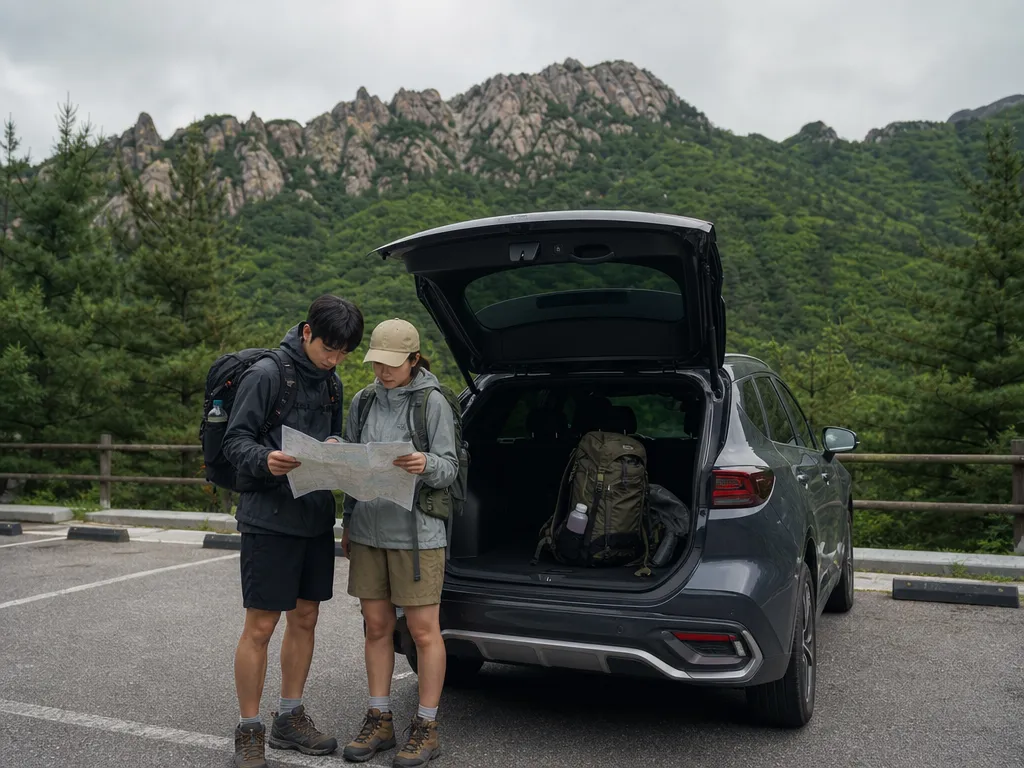
The Korea National Park Service classifies trails in five grades based on slope, distance, surface, and expected time. It also publishes access-control notices [5]. Check the official park page on the morning of your visit and do not rely on a saved route alone.
For a mountain day, avoid adding Gongju city unless your hike is deliberately short. For a Sejong day, keep the plan urban and walkable. A simpler route usually creates more useful time than a longer checklist.
Continue with our Korea toll and Hi-pass guide and expressway rest area guide.
Not usually for a city-only itinerary. A car becomes more useful for early hiking starts, family travel, luggage, or day trips that combine places outside the urban transit network.
You can, but it often creates more driving and less time at each stop. Choose one as the main destination unless you only want brief visits.
Sejong is generally the most flexible because you can combine open park space with indoor stops. Check current opening hours and weather before leaving.
Check the official trail grade, access controls, weather, parking area, and daylight. Set the trailhead parking area rather than only the park name in navigation.
This article includes images created with AI for illustration.
Aug 18, 2026

Aug 16, 2026
KR-42 · Aug 9, 2026