Jeju · Aug 6, 2026
Drive in Jeju with less stress on rainy days. Check weather alerts, pickup photos, navigation, insurance, and support before you leave.

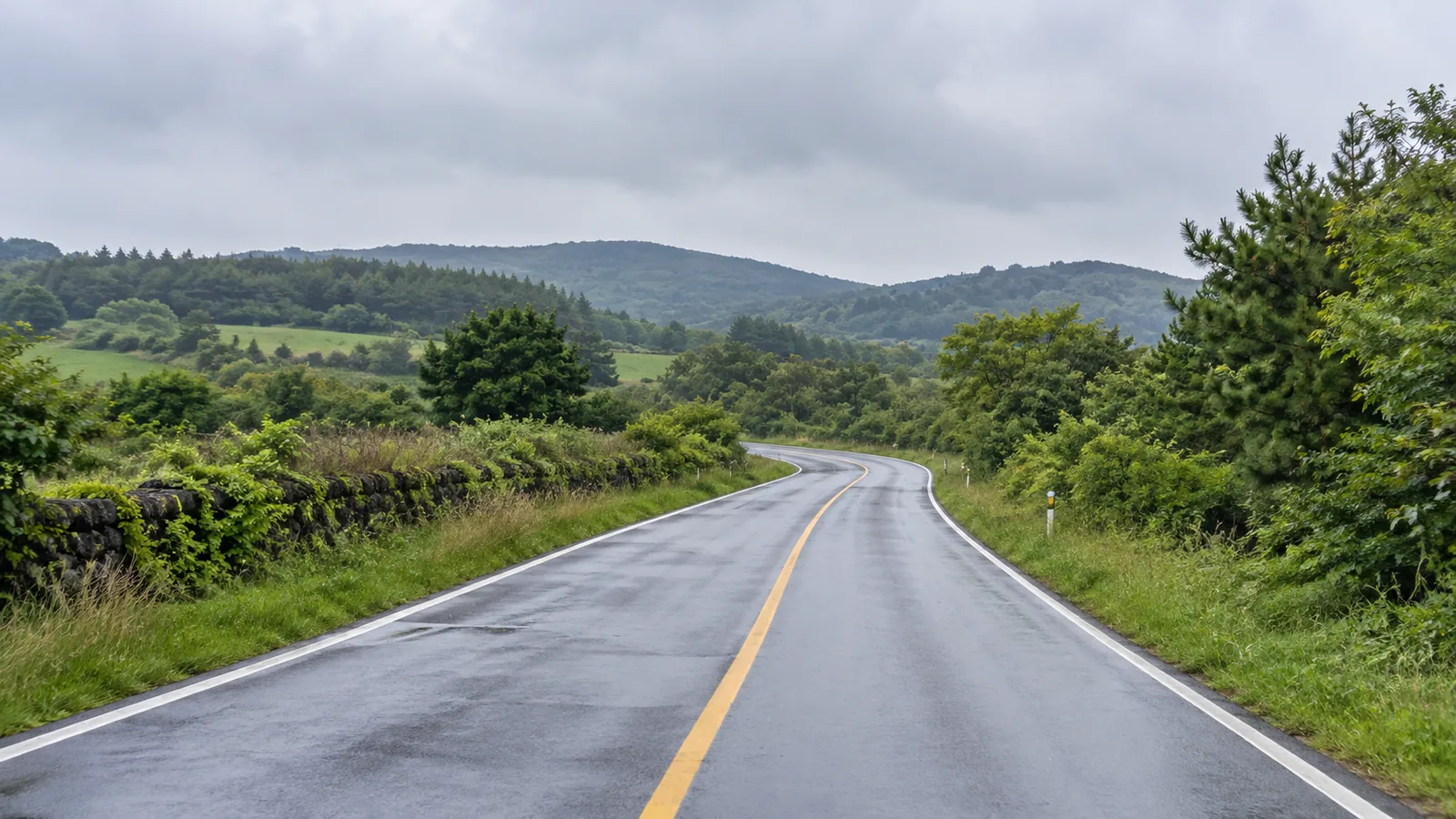
Rain changes the way a Jeju rental car trip feels. The island is still very driveable, but wet coastal roads, low clouds near Hallasan, and slower pickup checks can add stress if you arrive without a plan. This guide focuses on what to do before you leave the rental lot, how to adjust your route, and which support details to save before the weather gets worse.
It is written for international travelers who want the freedom of a rental car, but also want clear steps for a rainy day in Jeju.
The Korea Tourism Organization says a car is especially useful for islands and mountainous regions where public transportation can be inconvenient. That fits Jeju well, because beaches, oreum trails, cafes, and family restaurants are spread across the island. The same official guide also recommends booking a rental car online in advance, then checking license, identity document, payment card, and insurance requirements before pickup. Korea Tourism Organization driving guide
On a sunny day, a loose route may work. On a rainy day, you need more margin. Keep your first stop simple, avoid tight restaurant reservations right after landing, and choose a route with easy parking. If the forecast looks unstable, prioritize coastal viewpoints, indoor cafes, markets, museums, and short walks over long mountain drives.
Before you collect the car, check the Korea Meteorological Administration severe weather page. KMA publishes criteria for advisories and warnings, including heavy rain, strong wind, wind waves, typhoon, and heavy snowfall. For example, a heavy rain advisory can be tied to 60 mm or more of rainfall in three hours or 110 mm or more in twelve hours, while a heavy rain warning uses higher thresholds. KMA severe weather status
Use the alert level to decide how conservative your route should be:
Weather can change quickly in Jeju. A clear airport pickup area does not always mean the mid-mountain road or the south coast is clear.
Do not rely on Google Maps for turn-by-turn driving navigation in Korea. Korea Tourism Organization explains that the navigation feature of Google Maps cannot be used in Korea, and recommends Naver Map or Kakao Map as alternatives. Naver Map supports Korean, English, Chinese, and Japanese, while Kakao Map supports Korean and English. Korea Tourism Organization driving guide
For rainy-day driving, save these places before you move:
If you are new to Korean navigation apps, read Orcar's Jeju car rental navigation app guide before your trip.
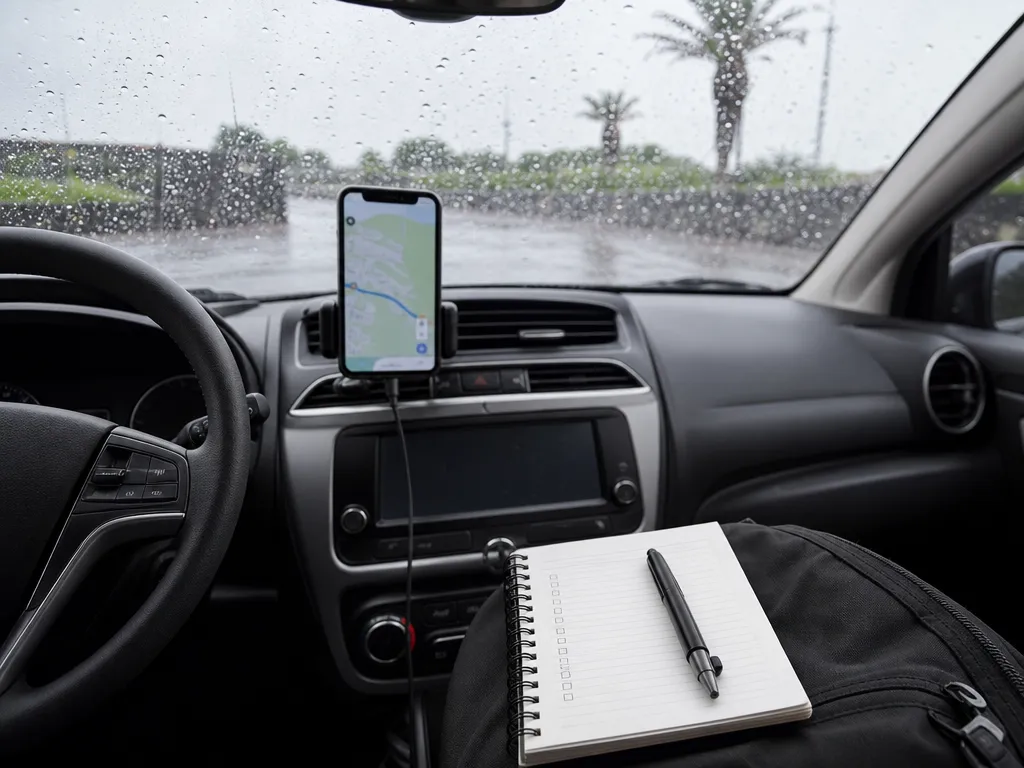
A rainy pickup makes scratches, tire marks, glass chips, and interior moisture harder to see. Take a few extra minutes before you leave the lot. It is much easier to document the car under the rental company's lights than after arriving at a dark hotel parking lot.
| What to check | Why it matters in rain |
|---|---|
| Front, rear, and both sides | Water can hide small scratches and dents. |
| Windshield and wipers | Clear visibility matters more on coastal roads and at night. |
| Tires | Wet roads make tire condition more important. |
| Dashboard warnings | Photograph warnings before departure, not after a problem appears. |
| Interior mats and trunk | Record existing moisture or stains before luggage goes in. |
For a fuller documentation routine, use Orcar's rental car damage photo checklist.
Rain does not automatically change your insurance, but it changes your risk. Korea Tourism Organization notes that rental car insurance in Korea typically includes personal injury, third-party injury, and third-party property coverage, while coverage for the rental vehicle itself may be included or added as an option. That means you should check the plan details, not just the word insurance. Korea Tourism Organization driving guide
Before departure, confirm these four points:
Save the rental company's number, your booking confirmation, and the 1330 Korea Travel Hotline listed by Korea Tourism Organization. For insurance details, pair this guide with Orcar's CDW guide and Korea rental car accident guide.
When rain becomes heavy, the best decision is often to make the day smaller. Choose fewer stops, stay on wider roads, and move long scenic drives to another day. Avoid chasing every viewpoint if visibility is poor. Jeju is beautiful in the rain, but the safest rainy itinerary is usually slower and more local.
A practical rainy-day route can look like this:
If you still need to drive at night, keep extra distance, follow posted speed limits, and avoid unfamiliar narrow roads suggested by navigation shortcuts.
Often yes, but the route should be more conservative. Check KMA alerts, use main roads, allow extra time, and avoid long mountain or coastal drives when visibility is poor.
Use Naver Map or Kakao Map. Korea Tourism Organization explains that Google Maps driving navigation is not available in Korea.
Yes. Rain can hide small scratches, glass chips, tire condition, and stains. Photograph the exterior, windshield, tires, dashboard, fuel or battery level, and interior before leaving.
It depends on your plan and supplier. Check whether damage to the rental vehicle is included, whether a deductible or loss-of-use fee applies, and whether all drivers are registered.
Reduce the route, choose indoor stops, contact your rental company if timing changes, and use the 1330 Korea Travel Hotline as a general travel support backup.
Ready to plan with fewer surprises? Search Jeju rental cars on Orcar and review pickup, insurance, and support details before you arrive.
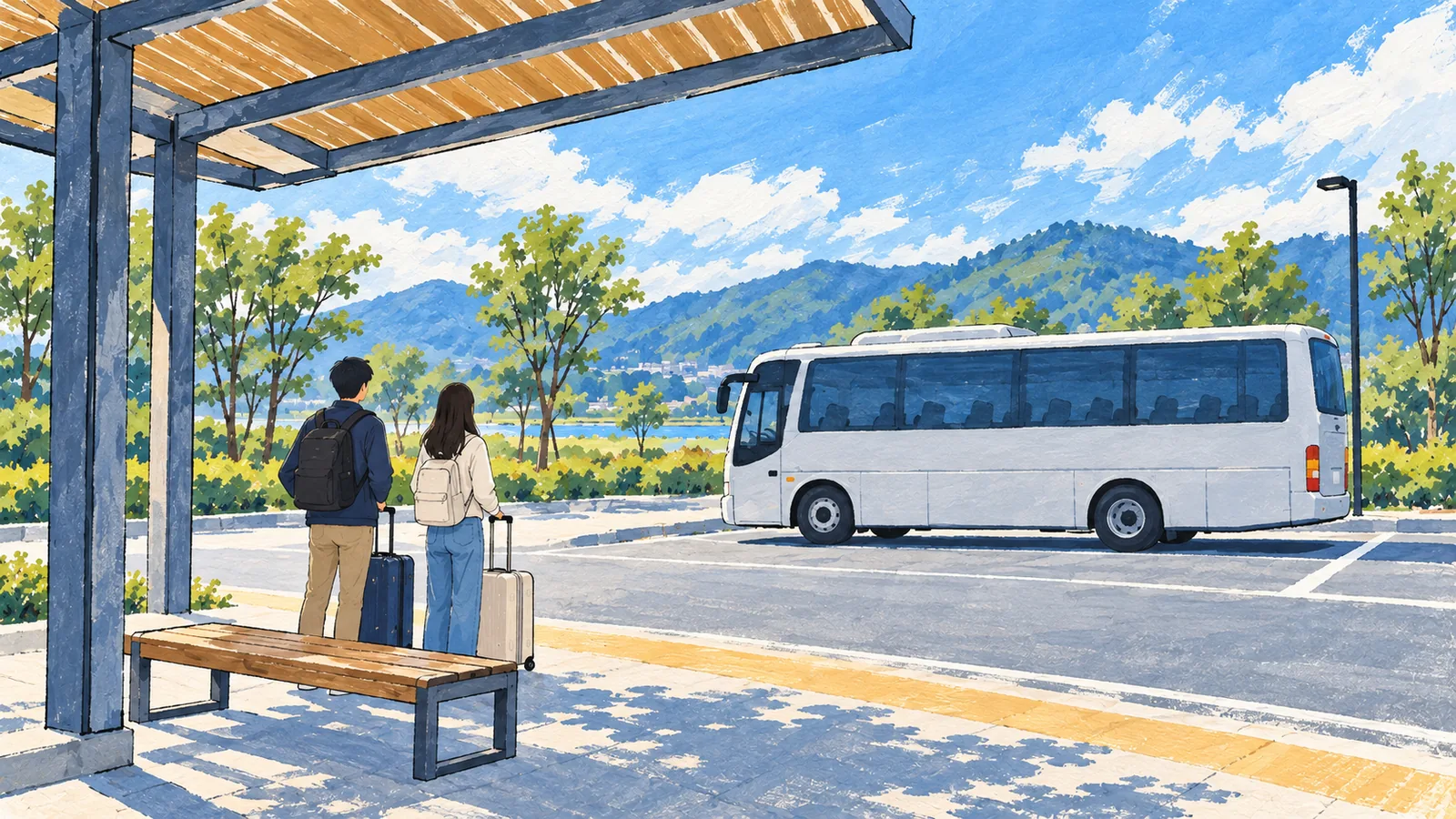
This article includes images created with AI for illustration.
Find a car for your trip
Explore CarsJeju · Aug 6, 2026
Jeju · Aug 4, 2026
Jeju · Jul 30, 2026