Aug 20, 2026
Driving a rental car in Korea? Learn how toll gates, Hi-pass lanes, cash lanes, and post-trip toll charges work before you leave.

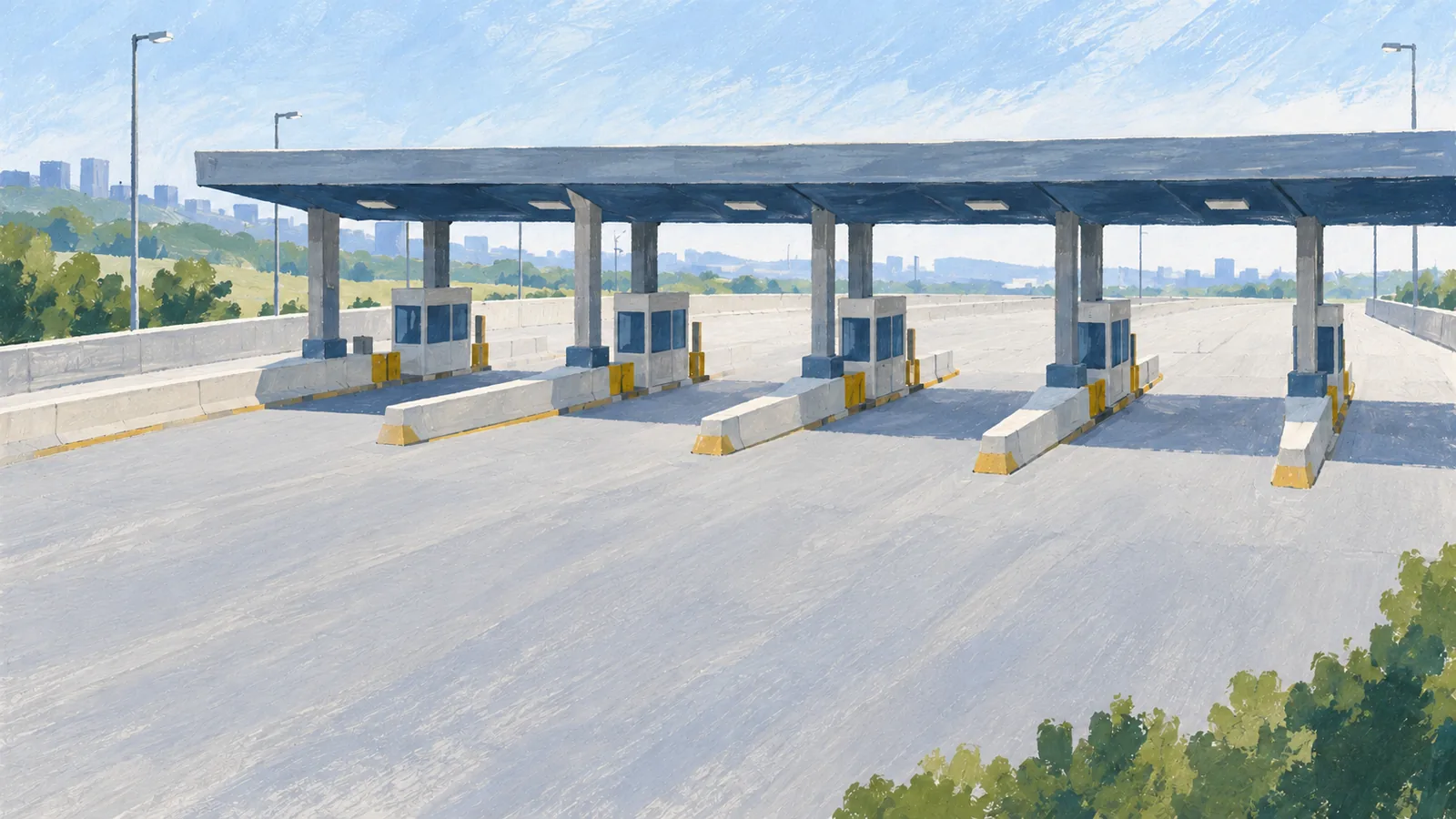
Toll roads in Korea are easy to use once you know two things: whether your rental car has a Hi-pass device, and which lane you should enter at the toll gate. VISITKOREA explains that Korea has highway tolls, Hi-pass is the electronic toll payment system, and drivers without a Hi-pass device should avoid the blue Hi-pass lane. If you enter a Hi-pass lane by mistake, note the tollgate name and explain it at the exit gate so staff can process the toll at once.
This guide is for foreign travelers renting a car in Korea, especially those planning airport pickup, intercity drives, or Jeju plus mainland road trips. Jeju has no toll roads, so tolls and Hi-pass only matter once you drive on the mainland.
Hi-pass is Korea's electronic highway toll payment system. In a rental car, the device may be installed near the windshield or dashboard. Some rental cars have it ready to use, while others require regular toll lanes or later settlement by the rental company. Because policies differ by supplier, ask at pickup how tolls will be charged before you leave the lot.
At Korean expressway toll gates, Hi-pass lanes are for vehicles with a working device. VISITKOREA notes that if your rental car does not have a Hi-pass device, you should be careful not to pass through the blue Hi-pass lane. Regular lanes allow staff payment or ticket handling depending on the toll road.
A simple rule works well: confirmed Hi-pass device means Hi-pass lane, no confirmed device means general lane.
For rental cars, toll charges may be paid at the gate, settled at return, or charged later to the card used for the rental. The exact process depends on the rental company, vehicle device, and route. Keep your rental agreement and payment card ready, and ask whether tolls are included, prepaid, or billed separately.
If the charge appears after your trip, it is usually tied to the vehicle's toll record and the rental contract. For other payment checks, see Orcar's Jeju car rental credit card guide.
Do not stop suddenly or reverse in a toll lane. VISITKOREA advises drivers who accidentally pass through a Hi-pass lane to note the tollgate name and explain it to an employee at the exit tollgate so it can be handled at once. If you only notice the mistake later, contact the rental company with the date, approximate time, road, and tollgate name if you have it.
For fines and post-trip charges that are not tolls, read Orcar's traffic fines guide for Jeju rental cars.
KTO notes that short-term tourists renting a car should carry a passport or alien registration card, and some companies also ask for the home country driver's license. For a broader document list, use Orcar's Jeju car rental checklist for foreigners.
For Orcar rentals in Korea, drivers using a foreign licence need a valid International Driving Permit (IDP) for insurance coverage. They must also hold their physical home-country licence.
Yes, if the rental car has an active Hi-pass device and the supplier confirms you can use it. If not confirmed, use a general toll lane.
VISITKOREA says to note the tollgate name and explain the situation to a staff member at the exit tollgate. Do not stop or reverse inside the lane.
Not always. Some tolls are paid at the gate, some are settled at return, and some are billed later. Confirm the rule at pickup.
VISITKOREA lists 1330 Korea Travel Hotline at +82-2-1330 for travel help, and emergency calls such as 112 for police and 119 for fire or medical emergencies.
Sources: VISITKOREA Driving in Korea, VISITKOREA Emergency Situations.
Ready to drive with fewer surprises? Start with Orcar and check the toll and payment rules before pickup.
This article includes images created with AI for illustration.
Find a car for your trip
Explore CarsAug 20, 2026

Aug 18, 2026

Aug 16, 2026